
Keeping Kids Hydrated: The Key to Family Wellness
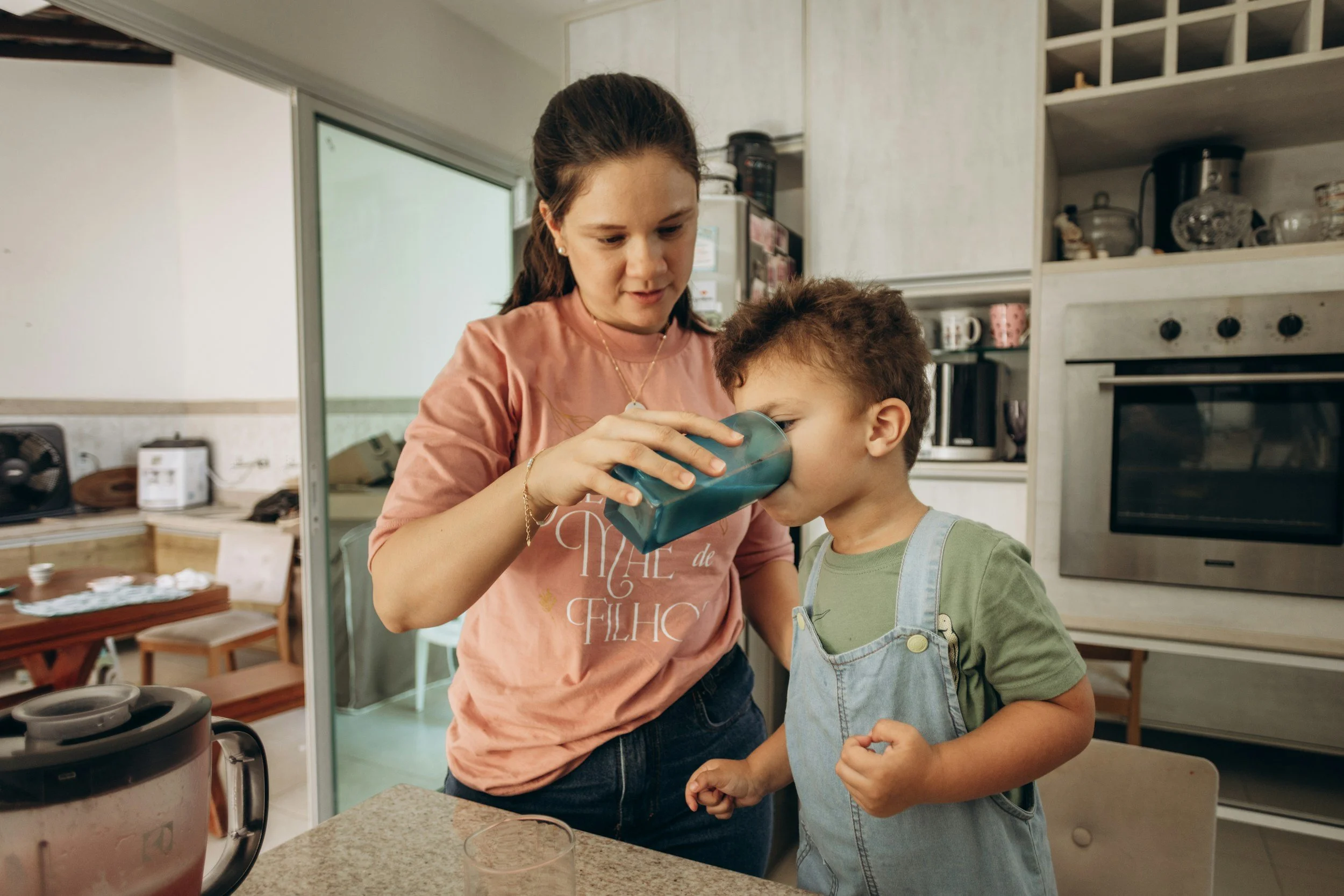
As parents, you’re always juggling a million things to keep your families healthy and happy. From packing nutritious lunches to scheduling check-ups, the to-do list just never ends. But here's a simple yet powerful wellness habit we can all build: making sure everyone, especially the little ones, stays properly hydrated. Good hydration is a cornerstone of overall health, affecting everything from how much energy we have to our mood.
Why Hydration Matters for All Ages
Water is absolutely essential for life, and our bodies really depend on it to work right. For adults, staying hydrated helps keep our body temperature steady, lubricates our joints, and gets nutrients to our cells. But for kids, it's even more crucial. Children have faster metabolisms and a higher percentage of body water than adults, which means they can get dehydrated much quicker.
Keeping them well-hydrated is important for children's health, supporting their rapid growth and all that boundless energy. When kids drink enough water, they tend to focus better in school, have more stamina for sports and play, and experience fewer mood swings. Making hydration a family priority really sets a foundation for healthy habits that will last a lifetime.
What Your Urine Color Says About Hydration
One of the easiest ways to check if your family is drinking enough is by looking at urine color. It’s a simple visual cue that can tell you a lot. Generally, if urine is pale yellow, like lemonade, that’s a good sign of proper hydration. The darker the color, the more concentrated it is, which is a clear signal that it's time to drink more water.
Teaching kids to do a quick "color check" can actually empower them to take charge of their own hydration. You can make it a simple routine after they use the bathroom. While a dark yellow color usually just means "drink up," any persistent or unusual colors might be worth looking into. If you're concerned about what you're seeing, having a resource that gets urine color issues explained can be helpful before deciding whether to chat with a professional.
Recognizing Dehydration Signs in Children
Thirst is an obvious sign that you need water, but it's often one of the last signals to show up. By the time a child says they're thirsty, they might already be a little dehydrated. So, it's important for parents to spot those earlier, more subtle signs.
Some common signs of dehydration in kids include:
A dry or sticky mouth
Being irritable or fussy
Flushed skin
Headaches or feeling dizzy
Low energy or seeming unusually tired
For babies and toddlers, fewer wet diapers than usual (less than six in 24 hours)
If you notice these symptoms, the first thing to do is offer water or an electrolyte drink right away. For more serious signs like extreme lethargy or confusion, it's always best to get medical attention immediately.
Simple Hydration Habits for Busy Families
Fitting more water into a busy family schedule doesn't have to be complicated. Small, consistent habits can really make a big difference. Start by making water the go-to drink at mealtimes and snacks. Keep a pitcher of cool water in the fridge where kids can easily see and grab it.
Another great trick is to get every family member their own reusable water bottle. Let the kids pick out their own to make it more exciting. Get into the habit of filling them up every morning and taking them with you whenever you leave the house. Leading by example is also powerful; when your kids see you regularly drinking water, they’re much more likely to do the same.
Fun Ways to Encourage Water Intake
Let's be honest: for some kids, water is just "boring." If you're having trouble getting your little ones to drink enough, it's time to get creative! A little bit of fun can go a long way in making hydration more appealing.
Try adding slices of fruit like oranges, strawberries, or cucumbers to a pitcher of water for a hint of natural flavor. You can also use fun, curly straws or special cups just for water. On hot days, homemade popsicles made from diluted fruit juice or pureed watermelon are a fantastic and hydrating treat. You could even set up a "hydration station" with a small water dispenser and cups that kids can use themselves, giving them a sense of independence and control.
Staying hydrated is a simple but important part of family wellness. By building these habits together, you're not just preventing dehydration; you're teaching your children a lesson in self-care that will benefit them for years to come.