
Solo vs. Social: Which Training Style Actually Burns More Calories?
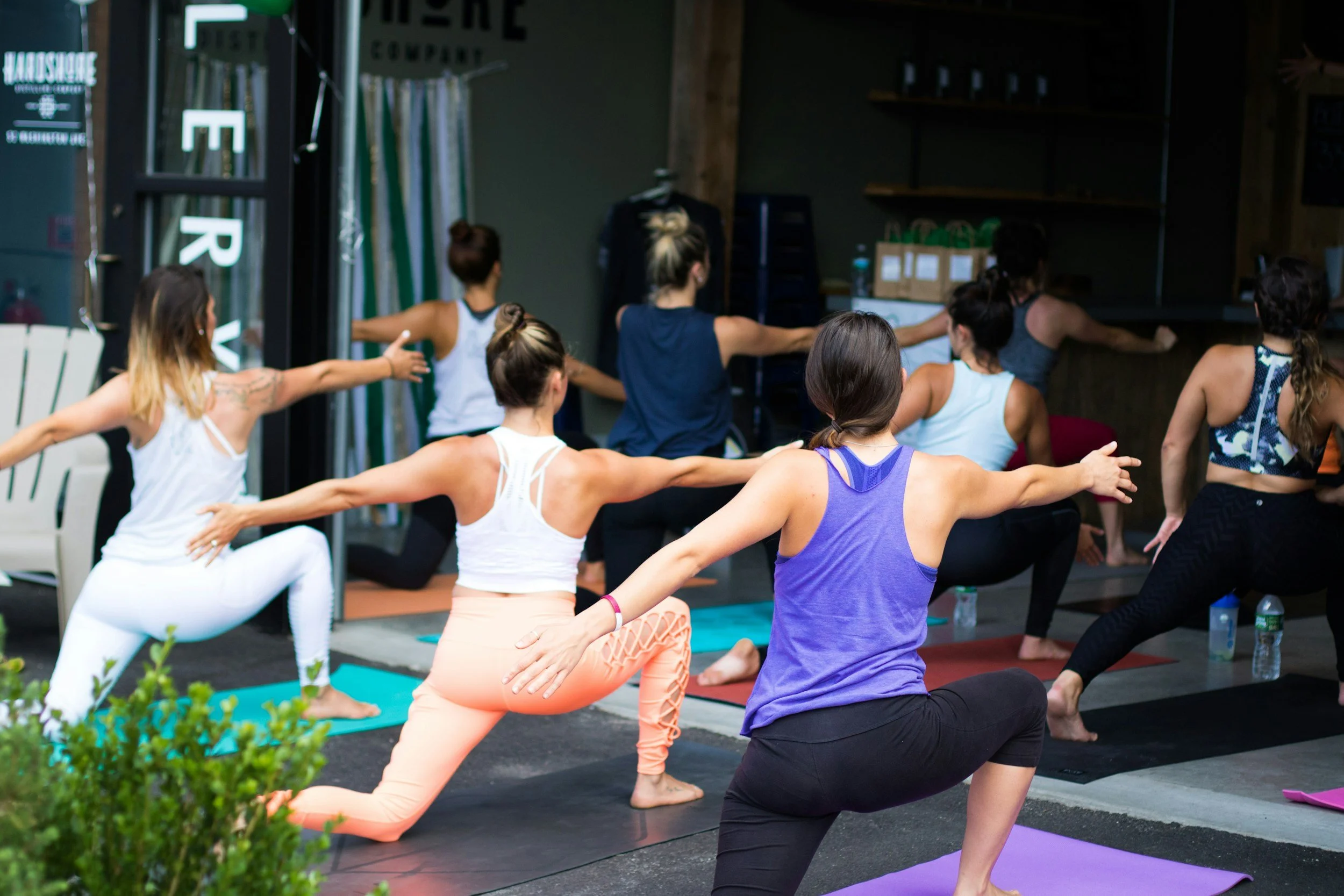
You have probably asked yourself this mid-workout, sweat dripping, lungs working overtime: Am I burning more calories doing this alone… or would I push harder if other people were here? It is a fair question, because training is not only about effort. It is also about psychology, environment, and the kind of energy you bring into the room. The same workout can feel completely different depending on whether you are by yourself or surrounded by others. So let’s break it down honestly: solo workouts versus social workouts. Which one actually burns more?
What Really Determines Calorie Burn
Before choosing sides, it helps to understand what drives calorie expenditure in the first place. Calories burned depend on intensity, duration, muscle engagement, and consistency. A focused 30-minute strength session can outwork an hour of half-hearted cardio. The body responds to what you demand of it, not just where you do it.
Factors like sleep, nutrition, stress, and even hydration also shape how your body performs. So calorie burn is never just about the setting. It is about the quality of the work you put in. That means the best style is often the one that makes you show up fully.
The Power of Training Alone
Solo training has a certain clarity to it. No distractions. No comparisons. Just you and the work. When you train alone, you can tailor everything. Your pace, your rest periods, your playlist, your goals. That control can lead to highly efficient sessions, especially if you are disciplined and enjoy structure.
Many people also find solo workouts mentally grounding. You can concentrate on form, breathing, and progression without external noise. If you are someone who thrives on routine, solo training can burn plenty of calories simply because it stays consistent over time.
The downside is motivation. Some days, it is easier to cut corners when no one else is watching. A solo session requires you to be your own coach, and that is not always easy after a long day.
The Hidden Calorie Boost of Social Workouts
Training with others changes the atmosphere immediately. Effort becomes contagious. In a social setting, people often move a little faster, lift a little heavier, or stay in the workout a little longer, not because of pressure, but because group energy creates momentum. You feed off the room, even without realizing it.
That is why many people find group classes and gym sessions surprisingly intense. The music, the instructor, the shared struggle, it all adds fuel. Even if you arrive tired, you often leave having done more than you expected.
Social workouts also tend to include more variety, which can increase overall movement and reduce boredom. And boredom is one of the biggest reasons people stop exercising in the first place.
Which One Burns More Calories?
The honest answer is: the one you commit to most consistently. Solo workouts can be incredibly effective if you train with intention and push yourself. Social workouts can elevate effort through shared motivation and structured intensity.
Neither is automatically superior. The calorie difference often comes down to how hard you work, how often you return, and whether the style keeps you engaged for the long run.
A Better Question to Ask Yourself
Instead of asking which style burns more calories, ask this: Which style makes me feel alive enough to keep going? Because the workouts that truly change your body are not the ones that win on paper, they are the ones you actually do, week after week. And that is where the real burn begins.